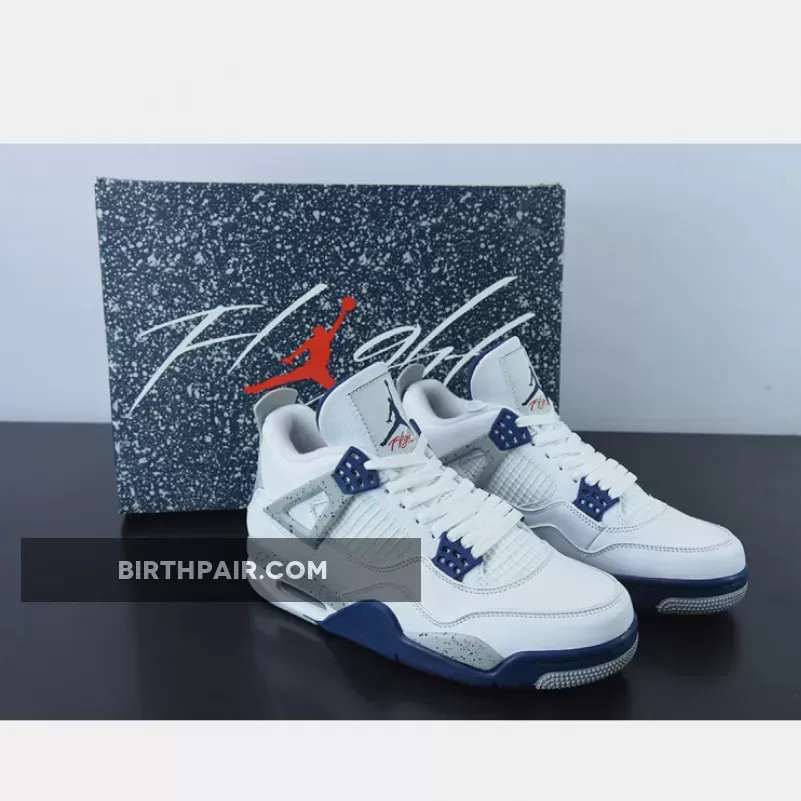
The Air Jordan 4, a legendary basketball shoe designed by Peter Moore in collaboration with Michael Jordan, has been a staple in sneaker culture for decades. With its sleek design, bold colorways, and unparalleled performance on the court, it’s no wonder why this iconic silhouette remains a fan favorite among sneakerheads worldwide. However, amidst the chaos of counterfeiters and unauthorized resellers, determining authenticity can be a daunting task.
In this post, we’ll delve into the intricacies of identifying genuine Air Jordan 4s, debunking common myths, and providing you with actionable tips to ensure you’re getting the real deal.
The Anatomy of Authenticity
Before we dive into the specifics, it’s essential to understand what makes a pair of Air Jordan 4s authentic. The following factors are crucial in determining the legitimacy of your shoes:
- Materials: Real Air Jordan 4s feature high-quality leather overlays, while fakes often use inferior materials that may appear shiny or too smooth.
- Construction: Pay attention to the stitching, as authentic shoes have even, precise seams. Fake Jordans often exhibit sloppy stitching or uneven threads.
- Packaging: Genuine Air Jordan 4 boxes typically come with a plastic window, while counterfeiters might use flimsy paper inserts or omit packaging altogether.
- Insoles and Midsoles: Check for the iconic Jumpman logo on the insoles and midsoles. Counterfeits often lack this distinctive marking or display it poorly.
Common Myths Debunked
Before we get into the nitty-gritty, let’s dispel some common misconceptions:
- Myth: Air Jordan 4s with excessive wear or scuffs are fake.
Reality: Wear and tear can occur naturally due to normal use. Authentic shoes may show signs of aging, but they should not exhibit artificial damage. - Myth: If a retailer doesn’t carry the exact shoe you want, it must be counterfeit.
Reality: Retailers often have limited inventory or exclusive deals with certain brands. Don’t assume something is fake solely because it’s not readily available.
Visual Inspections
Now that we’ve set the stage for authenticity, let’s explore some visual cues to help you spot fakes:
- Lateral Side Comparison: Compare the lateral side (the side opposite the tongue) of your shoes to official images or product shots. If the leather overlay appears uneven, too low, or mismatched, it might be a fake.
- Stitching Inspection: Inspect the stitching on the upper and midsole areas. Genuine Air Jordan 4s have precise, even seams. Fakes often exhibit sloppy stitching or uneven threads.
- Midsole Slits: Check the size of the slits on the midsole. Authentic shoes have smaller slits; fakes often display larger openings.
Final Verdict
In conclusion, authenticity is key when purchasing Air Jordan 4s. By understanding the importance of materials, construction, packaging, and insoles/midsoles, you’ll be better equipped to identify genuine shoes. Additionally, being aware of common myths and visual inspections will help you make informed purchasing decisions.
What’s Your Experience with Authenticity?
Have you ever had a close call with counterfeit Air Jordan 4s? Share your story or tips for identifying authentic shoes in the comments below!